Frequently Asked Questions
The FireFree program is constantly evolving to bring valuable education to the public so that residents can prepare themselves for wildland fires. In our effort to respond to your questions, here is a list of some of the common inquiries
What is FireFree?
What can I bring to FireFree?
“IF IT GROWS, IT GOES!”
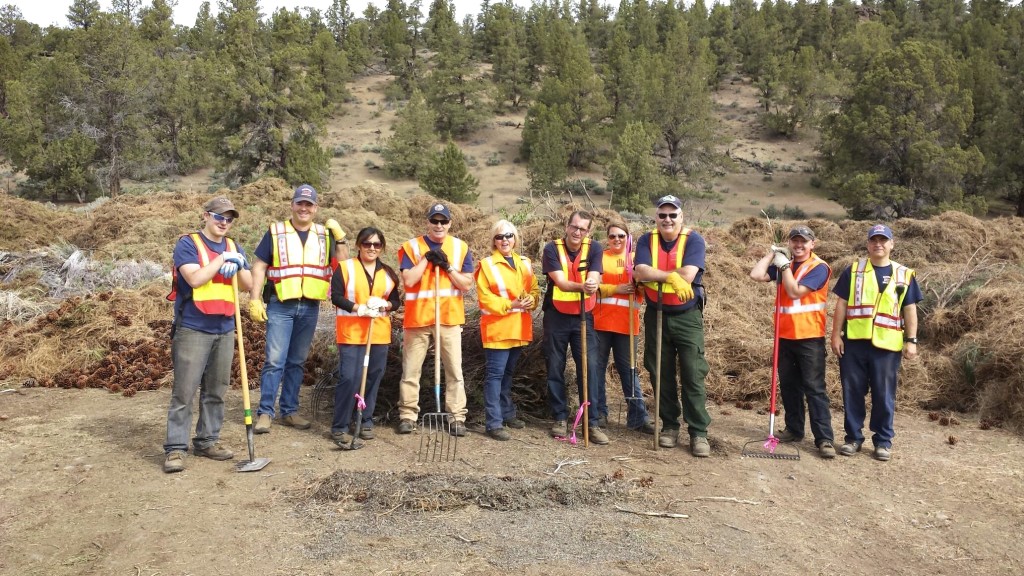
• Grass clippings, brush, plant prunings, pine needles, pine cones, weeds, trimmings and branches, stumps or trees (no larger than 12” diameter).
• NOT Accepted: rocks, lumber, metal, sod, dirt, trash or plastics of any kind, including plastic bags.
Should my debris be in bags?
The short answer is no. You are more than welcome to pack your debris, like pine needles & leaves, in bags. The bags will need to be emptied when you deliver them to the FireFree event. There will be trash cans provided for the leftover bags if need be.
What is the most vulnerable part of my home?
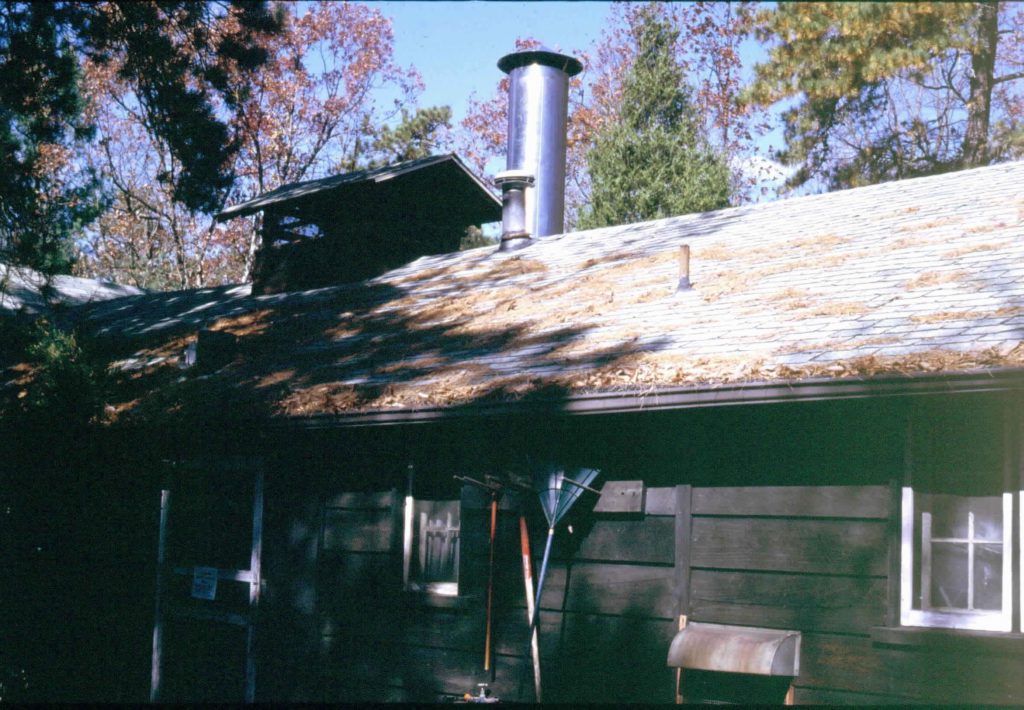
Your roof system; The roofing material, the gutters, the fascia boards, and any vents where flying embers or “firebrands” can land and ignite your home. Composition, metal or tile roofing is a better choice for non-combustible roofing.
What is the Home Ignition Zone?
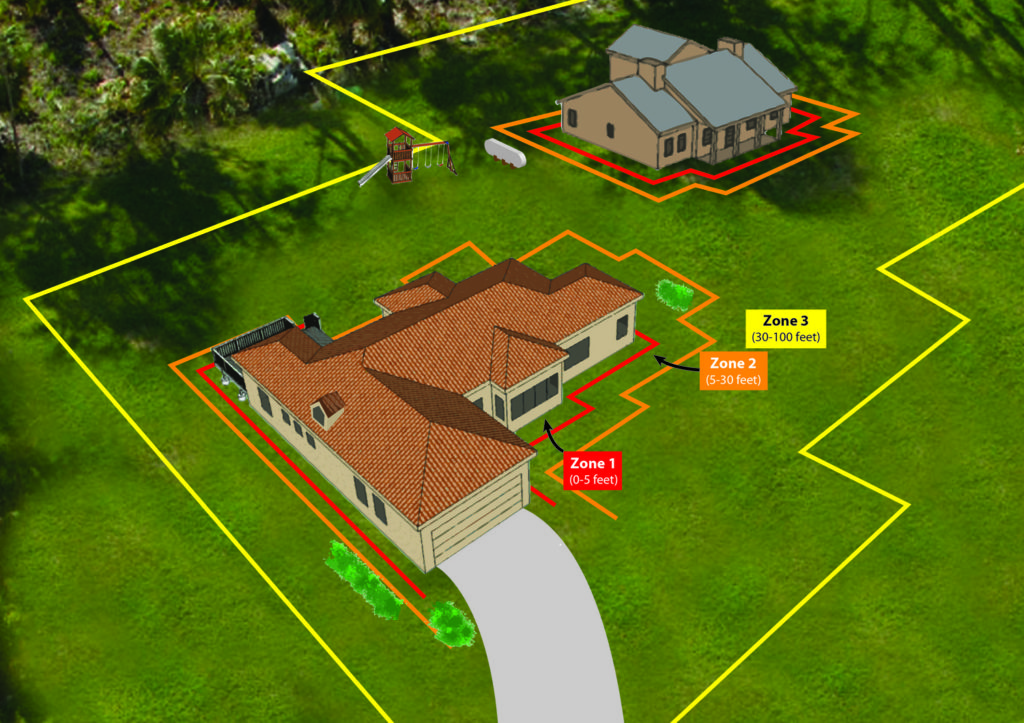
0-30 Feet is critical; Your Home Ignition Zone is the area directly surrounding your home that can allow the fire to travel to your home and ignite it. It is divided into 3 separate zones. Your top priority is Zone 1 (0-5 feet) & Zone 2 (5-30 feet).
I pay my taxes. Why can't the fire department defend my home?
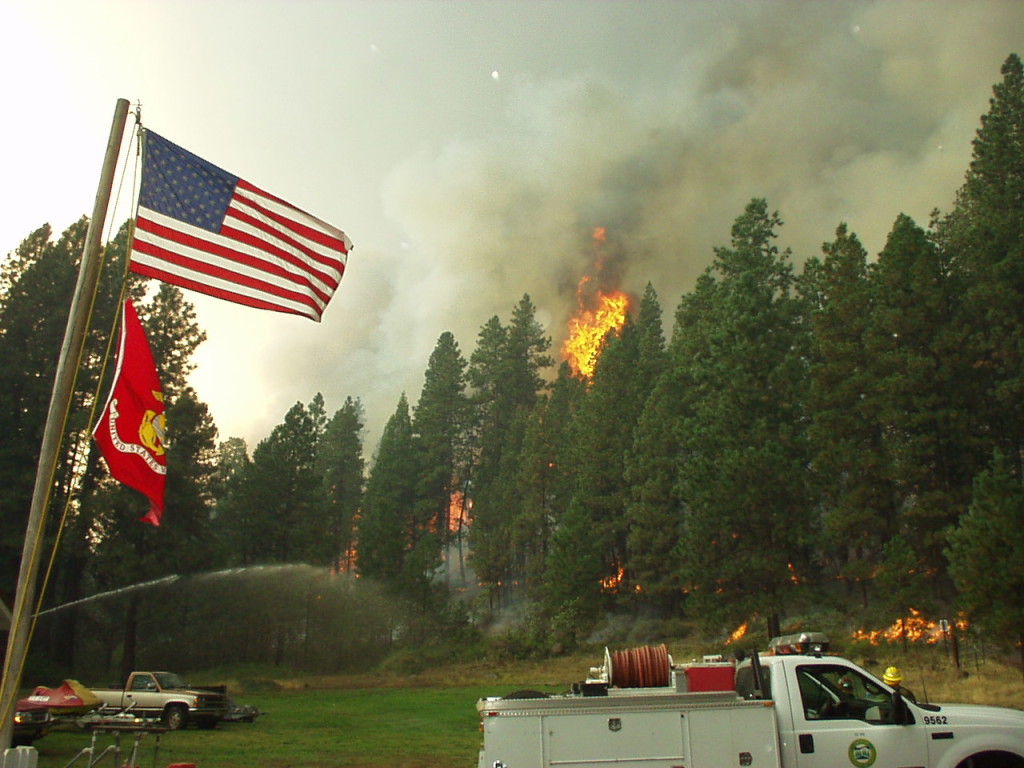
It’s a matter of supply & demand; there are not enough fire trucks and personnel to protect every home. The truth is, there will never be enough trucks to protect each and every home in a wildland fire situation. During a wildland fire, fire agencies are maxed out and concentrate on halting the fire’s advancement.
Is wildfire really a threat in Central Oregon?
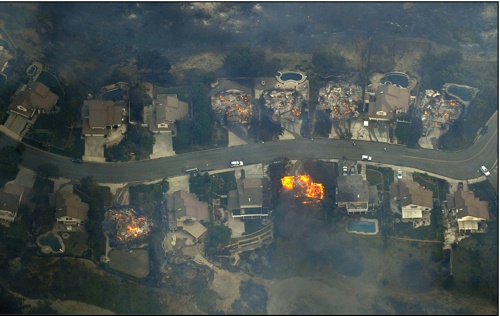
Yes; While the majority of the fire starts are contained relatively quickly, a handful escapes the most gallant efforts and the potential for catastrophic loss are right in our back yards. All of Deschutes County has been declared a Wildfire Hazard Zone. That means any place you live and work here is at substantial risk of wildland fire.